

Capability built around orbit models, ground links, protocols, RTI federation, and HIL validation.
Mission timeline, federation roles, data exchange, and validation scope.
Interoperable simulation nodes connected through runtime infrastructure.
Telemetry, command, payload data, and ground network protocol bridges.
Satellite, orbit, attitude, link, ground, and operational behavior models.
Connect prototype hardware, test fixtures, and operator consoles to the sim.
Practice contact windows, failure cases, validation checks, and command flow.
One engineering stack for orbit, ground, validation, and aerospace hardware.
ZYNTLA helps mission teams move from technical uncertainty to a practical system plan. Our work connects satellite platforms, secure communication infrastructure, simulation environments, and precision manufacturing into a single readiness path.
Capabilities that connect instead of sitting in silos.
Each layer supports the next: orbit systems generate the mission, ground systems keep it connected, simulation reduces uncertainty, and hardware turns plans into usable components.
Four focused capability areas, designed to work together.
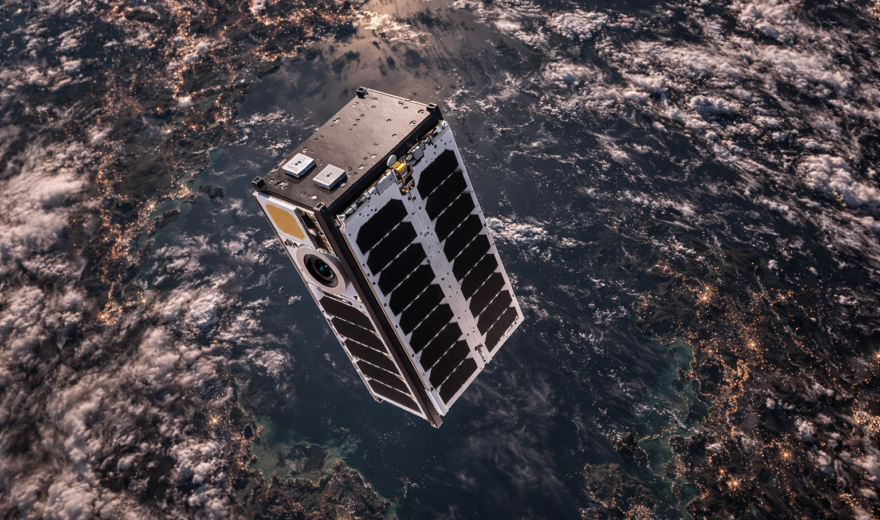
Strategic Satellite
Satellite bus design, payload support, ADCS/CDH architecture, subsystem integration, and mission-specific platform development.
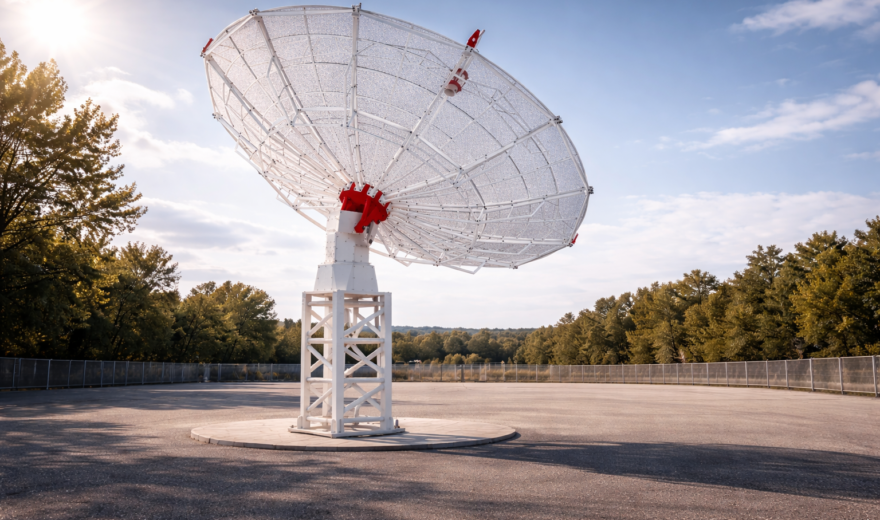
Space Infrastructure
Ground station planning, telemetry flow, secure mission communication networks, and resilient operational infrastructure.
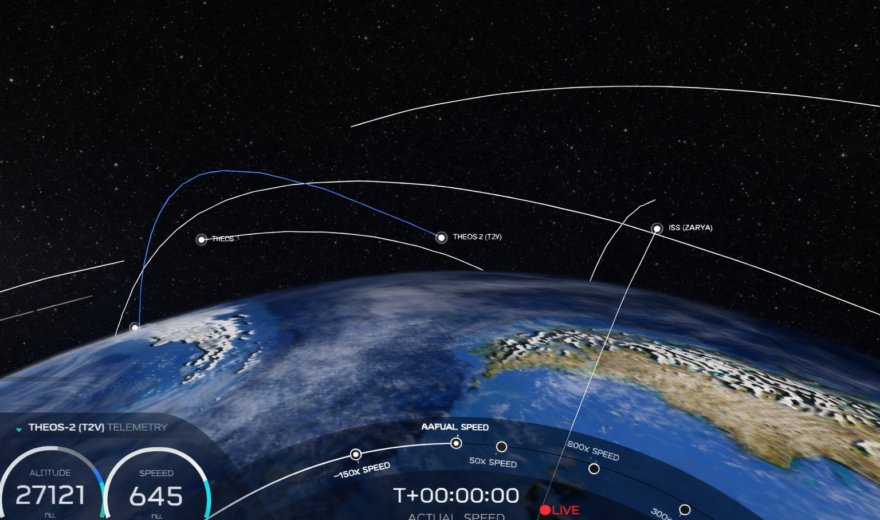
Space Simulations
Digital twins, orbit and attitude modeling, HIL test environments, satellite pass prediction, and mission rehearsal tools.
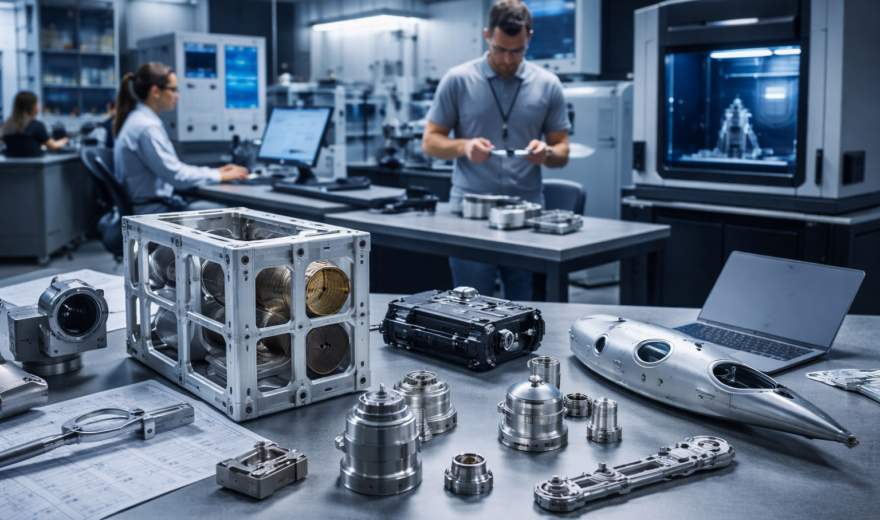
Parts Manufacturing
Aerospace-grade CNC machining, additive manufacturing, satellite mounting systems, UAV enclosures, and small-batch R&D production.
Mission teams need fewer unknowns before money, hardware, and schedule are committed.
Clarify the technical path before integration work becomes expensive.
Use models and validation loops to test assumptions earlier.
Move from design to parts with inspection, iteration, and manufacturability in mind.
Choose the level of support your mission actually needs.
Frame objectives, constraints, payload, security, and readiness gaps.
Support architecture, interface definition, integration, and documentation.
Build testable loops across simulation, hardware, and operational workflows.
Plan communication paths, telemetry handling, ground systems, and operator needs.
Move aerospace components from drawing to prototype and inspection.
Bring the mission requirement. We will help shape the engineering path.
Share what you are building, what must be validated, and where your current technical uncertainty sits.